
Helping Doctors
who know where they
want to go,
get there!
16+
years of innovative leadership in
digital marketing for doctors
190+
team members dedicated to serving
client needs 24x7
16,000+
positive comments from our doctor
clients
How Can We Help You?
- Design, build and manage your website that stands out in the crowd
- Dominate local search engine rankings for your web pages
- Increase targeted traffic to your website and boost office footfalls
- Create a thriving social media network for your practice
- Expand patient reach through innovative mobile marketing
- Build a robust online reputation and generate authentic patient reviews
- Provide cutting edge podcast, infographic, and video marketing solutions
- Set up professional call tracking and ROI analysis
- Develop custom mobile apps
- Strategize paid advertising on Google and Facebook
- Provide search and social analytics support
What Our Clients Say?

Ekwa
Marketing
5
![Dr. Christopher Marchack]() Dr. Christopher Marchack
Dr. Christopher Marchack
Amy, You and your team have been on top of things with great results. I appreciate that you keep striving to improve our site and the traffic going to the sight. You and your team have been excellent.
 Dr. Christopher Marchack
Ekwa
Marketing
5
![Dr. Patrick Obasi]() Dr. Patrick Obasi
Dr. Patrick Obasi
GREAT TEAM TO WORK WITH!!
 Dr. Patrick Obasi
Ekwa
Marketing
5
![Dr. Mike Milligan]() Dr. Mike Milligan
Dr. Mike Milligan
We appreciate all the hard work you and the entire EKWA team do to keep us very visible on the Internet and help us grow our dental practice. You also stay in touch with us with frequent reports and updates, which is helpful. Thank you for all you do!
 Dr. Mike Milligan
Ekwa
Marketing
5
![Dr. Titania Tong]() Dr. Titania Tong
Dr. Titania Tong
Everything has gone very smoothly for most of this year and I thank you and your team for your continued diligence in making sure everything is working well. As well as your prompt response to any queries I may have had.
 Dr. Titania Tong
Ekwa
Marketing
5
![Dr. Al A. Fallah]() Dr. Al A. Fallah
Dr. Al A. Fallah
I really love my Ekwa team members and I highly recommend my Ekwa team to anyone who wants to develop an amazing site and promote it and expand it.
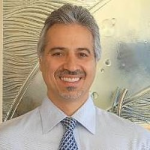 Dr. Al A. Fallah
 Technologies We Love!


Ekwa’s Thought Leadership
Digital Marketing for Doctors
When publications for doctors want to update them on digital marketing, they call for Ekwa’s expertise!
An expert to the experts, Ekwa’s marketing specialists have authored and published:
An expert to the experts, Ekwa’s marketing specialists have authored and published:
-
20+Books
-
10+Research Reports and Case Studies
-
500+Articles
-
15+Premier Industry Magazines and Journals